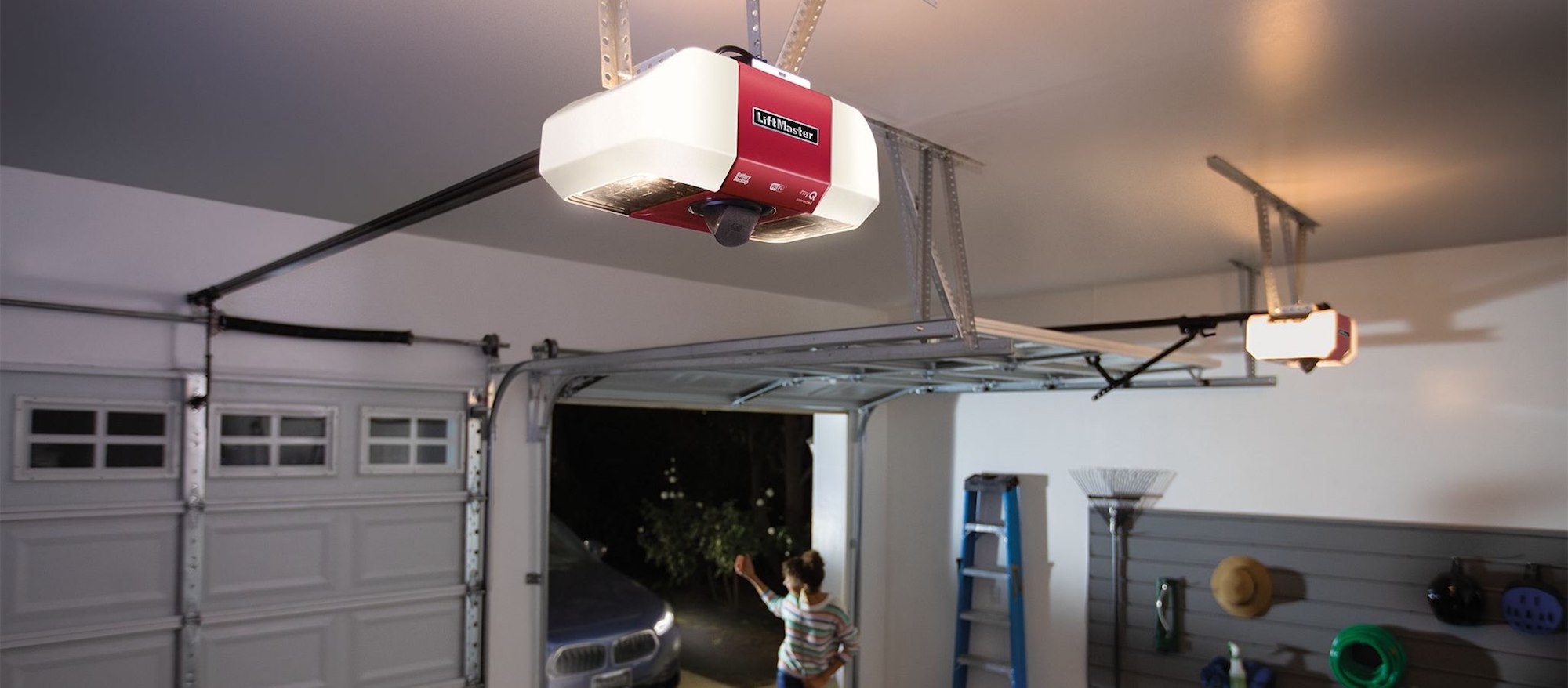
At Christian Doors, we place the highest priority on the safety of your family and home, which is why properly adjusting your garage door opener’s force settings is so essential. These settings control the amount of power the opener uses to raise and lower the door, acting as a secondary safety mechanism alongside the photo-eye sensors. If the force is set correctly, the door will reverse direction upon encountering resistance, preventing it from closing on a person, pet, or object. Incorrect settings—either too high or too low—can compromise this critical auto-reverse feature, potentially leading to serious injury or damage.
When the force is set too high, the door may close with excessive power, overpowering obstructions and failing to reverse properly, which poses a significant risk especially if the safety sensors are blocked or malfunctioning. Conversely, if the force is too low, the door might reverse unnecessarily or fail to close fully, leaving your garage vulnerable and causing unnecessary wear on the opener. Over time, seasonal changes, spring wear, or minor binding in the tracks can shift these settings, making regular checks important for reliable operation and peace of mind.
To ensure safe force settings, consult your opener’s manual to locate the adjustment screws or dials (usually on the back or side of the motor unit), make small incremental changes, and always test afterward by placing a 2×4 board flat on the ground under the door—the door should reverse immediately upon contact. We recommend performing this test monthly. If you’re uncomfortable making adjustments or the door doesn’t respond correctly, please contact Christian Doors for professional tuning—we’re committed to keeping your garage door safe and functioning perfectly.